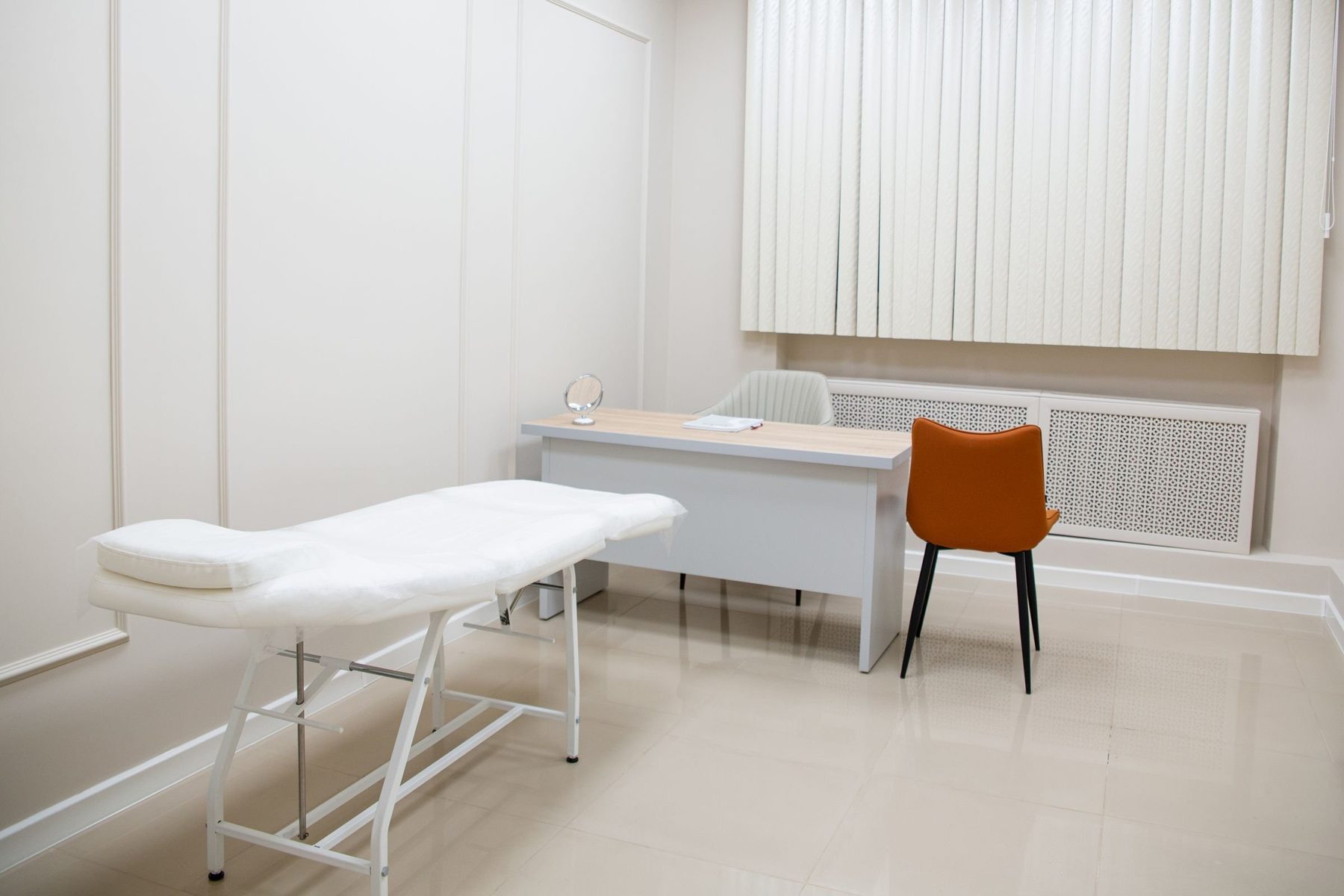
To get ketamine infusions for depression in Malta, you start with a psychiatric assessment, and you need no letter from your GP. If the assessment confirms the course suits you, a doctor gives six intravenous infusions over three weeks, two a week, at a clinic on the island. The doctor prescribes ketamine off-label, outside the uses written into its licence, which are anaesthesia. If you live here, the course that takes most people abroad sits a short drive away.
- Each infusion. About 40 minutes on a drip at our partner clinic, then rest there until you feel steady.
- Who gives it. Dr Christopher Gauci, an anaesthetist registered with the Medical Council of Malta, gives every infusion and watches your heart rate and blood pressure throughout.
- What you need to arrange. Someone to take you home after each infusion, because you cannot drive until the next day.
Can you have ketamine treatment without leaving the island?
Yes. The whole course runs at a clinic on the island, and a doctor prescribes it for each patient separately. You do not collect anything from a pharmacy: every dose is given in the clinic, and nothing goes home with you.
The way in is a psychiatric assessment, which decides whether the course suits you. For our infusions it covers your health, the medicines you take now, what you have already tried for depression and your history with alcohol and other substances. You can start that assessment online, or bring an assessment from your own psychiatrist.
Why so little is said about it in Malta
If you have searched for ketamine treatment from here and found mostly American clinics, there is a reason. Under the Medicinal Products (Advertising) Regulations, Subsidiary Legislation 458.32, a medicine that needs a prescription may not be advertised to the public (regulation 5(2)(a)).
So Maltese providers can describe a service, a doctor-led treatment programme, and say very little about the drug itself in their adverts. Search results fill the gap with pages written for patients in the US, with American prices, American insurance and American rules on who may prescribe.
None of that applies here. What applies is a Maltese doctor’s decision after an assessment, and a clinic that gives the infusion and keeps your records. When you read about ketamine online, check which country a page is written for before you take its rules as yours. How the rules here compare with the UK and the rest of the EU is set out in our guide to the law on ketamine-assisted therapy.
An infusion day, in five lines
- About 40 minutes on the drip, then rest at the clinic until you feel steady
- Plan for half a day: a couple of hours at the clinic, then a quiet evening
- Someone has to take you home; no driving until the next day
- No take-home doses: every dose is given in the clinic
- Two infusion days a week for three weeks
How a course of infusions is structured
Ketamine treatment for depression comes as a course, not a single dose. The usual shape is a first run of several sessions across a few weeks, sometimes called an induction series, followed by a decision about whether and how to continue.
Routes differ in how predictably the drug is absorbed, so the same dose on paper can produce different effects depending on route.
After the first run. Some people hold the benefit with no further dosing. Others relapse within weeks and are offered maintenance sessions, often called boosters, at intervals set individually. Maintenance without regular review, or doses that climb without a stated reason, is a warning sign and not a sign of thoroughness.
What surrounds the dosing matters as much as the dosing. Preparation beforehand, structured integration afterwards, and continuity of the clinical team separate a treatment programme from a run of appointments. The drug opens a window; what happens in that window decides whether anything holds.
A credible course has an end point set in advance and a review at that point, including a review of whether treatment should stop.
Checked for medical accuracy by Dr Christopher Gauci, MD MRCS(Ed) EDAIC on 1 October 2026. The check covers this section. Everything else on the page is written by our editorial team and verified against primary sources.
Our course follows that shape. The first run is fixed at six infusions, twice a week for three weeks: the schedule of the ketamine group in a 2023 trial in treatment-resistant depression (Anand et al., New England Journal of Medicine, 2023). After the sixth infusion, the course ends with a review of how you have responded and whether you need anything more. Sessions with a psychotherapist are available afterwards on request. More detail on what happens across the six infusions and after the last one is on its own page.
Fitting six infusions into a working week
Living on the island takes away what costs visitors most: flights, a hotel and three weeks away from home. What stays is the time each infusion takes and the rest of that day.
Plan each infusion day like this:
- Two half-days a week. In the trial above, the side effect linked with ketamine was dissociation (Anand et al., 2023): a temporary sense of detachment while the drip runs. That is why you rest at the clinic afterwards, usually for a couple of hours, and do not go straight back to work.
- A lift home. Line up a partner, friend or relative for each of the six days.
- A quiet evening. Keep the evening after an infusion free of work calls and family duties if you can. If you feel unwell once you are home, call your own doctor, and in an emergency call 112.
- The days in between are ordinary days. You go to work, look after children and sleep at home.
Tell us which days suit your work rota and your companion: we plan the dates around you.
If you already see a therapist or a psychiatrist, you can keep seeing them. Ask for the plan from your assessment in writing and give it to them, so the work after the infusions stays with someone who knows you.
Do you need a referral from your GP?
No. You can contact us directly, and our psychiatrist assesses you before any dates are set. If your own psychiatrist has already assessed you, that assessment can be used instead.
A referral letter has one job: it tells the prescribing doctor your history. A psychiatric assessment does the same job, so you do not need both. Bring what you have: names and doses of the medicines you take, what you have tried before and for how long, and any hospital letters.
Do not stop or change any medicine before the assessment. Whether ketamine suits you, and what happens to the medicines you take now, is decided by the doctors who assess you and give the infusions. Book a short call if you want to ask about your medicines first.
What to ask before you start
Whichever provider you choose, get clear answers to these before the first infusion:
- Who examines me first, and what do they look at? A good answer is a psychiatric assessment of your full history. A short form on its own is a reason to ask more.
- Who gives the infusion and stays in the room? A good answer is a doctor, who watches your heart rate and blood pressure until the drip ends.
- How many infusions, and what happens after the last one? A good answer is a fixed first run with a review at the end. Sessions with no end date are a warning sign.
- Do I take anything home? In a clinic course, no: every dose is given there.
- What comes before and after the infusions? A good answer names the preparation, the sessions with a therapist and who runs them.
Write the answers down for each provider you consider. Our answers are in what a course of infusions involves, and what it costs.
Ketamine infusions close to home
A short call with our team explains how the course of six infusions runs, how to fit it around your week and what it costs.
No payment and no booking at this step.
Common questions
Is ketamine legal in Malta?
Yes, as a prescription medicine. It is licensed as an anaesthetic, and a doctor may prescribe it for depression off-label after assessing you. What is not legal is supplying or holding it without a prescription. If you have a question about your own situation, book a short call with our team.
Can I keep taking my antidepressants?
Often yes, and nothing is stopped before you speak to us. The doctors who assess you look at everything you take and tell you what, if anything, needs to change before the first infusion. Write down every medicine and dose you take now and keep the list with you for the first call.
Can I use an assessment from my own psychiatrist?
Yes. A recent psychiatric assessment from your own psychiatrist can replace ours, as long as it covers your history, your current medicines and your history with alcohol and other substances. Ask your psychiatrist for a copy and send it to us through the self-referral form.
If you live in Malta, you can have ketamine infusions for depression without leaving the island and without a letter from your GP. Start by writing down the medicines you take and what you have tried before. Line up someone to drive you home on each of the six infusion days, and choose dates around your work. Ask any provider who examines you first, who stays with you during each infusion and what happens after the last one.